Five things to settle first
Build the week before you build the shelf
Each of these decides how much of a supplement your body can even use. Read them in order; they get more specific as they go.
Start here
Start with what you already do
Write down your actual week: wake time, meals, training, and the hour you usually go to sleep. Most people find the gaps in ten minutes.
No breakfast on office days. Dinner late and heavy. Water intake dropping after lunch. A routine built on top of that should be small — two products at times that already exist in your day, such as breakfast and dinner. Two items survive far longer than a five-item schedule.
Food first
Food first, and what that means here
A varied diet in Jakarta is achievable: rice or another staple, protein at two meals, vegetables, fruit, and something fermented now and then.
It is also easy to skip. If your week looks like nasi goreng at your desk and a late dinner, the shortfall will be in protein, fiber, and possibly vitamin D, which many people here get little of because of indoor work. That is the honest case for a basic formula of vitamins and minerals for men: a top-up, not a replacement.
Hot climate
Hydration in a hot climate
Water is the most overlooked part of any routine. In this climate you lose more than you notice, especially if you commute on a motorbike or wait outdoors for a train in the evening.
A simple check: pale yellow urine most of the day. If you sweat heavily, plain water alone may not be enough and electrolytes help. Coffee counts toward fluid but also has a mild diuretic effect, so a third cup is not the same as a glass of water.
Timing
Timing supplements sensibly
Fat-soluble vitamins such as A, D, E, and K need food with some fa to absorb well, so breakfast or dinner works and an empty stomach does not.
Magnesium in the evening suits many people. Iron, if you take it on medical advice, is better away from tea and coffee and often better tolerated every other day. Zinc can upset an empty stomach. Small details — but they decide whether a product does anything at all.
Habit
Keeping the habit going
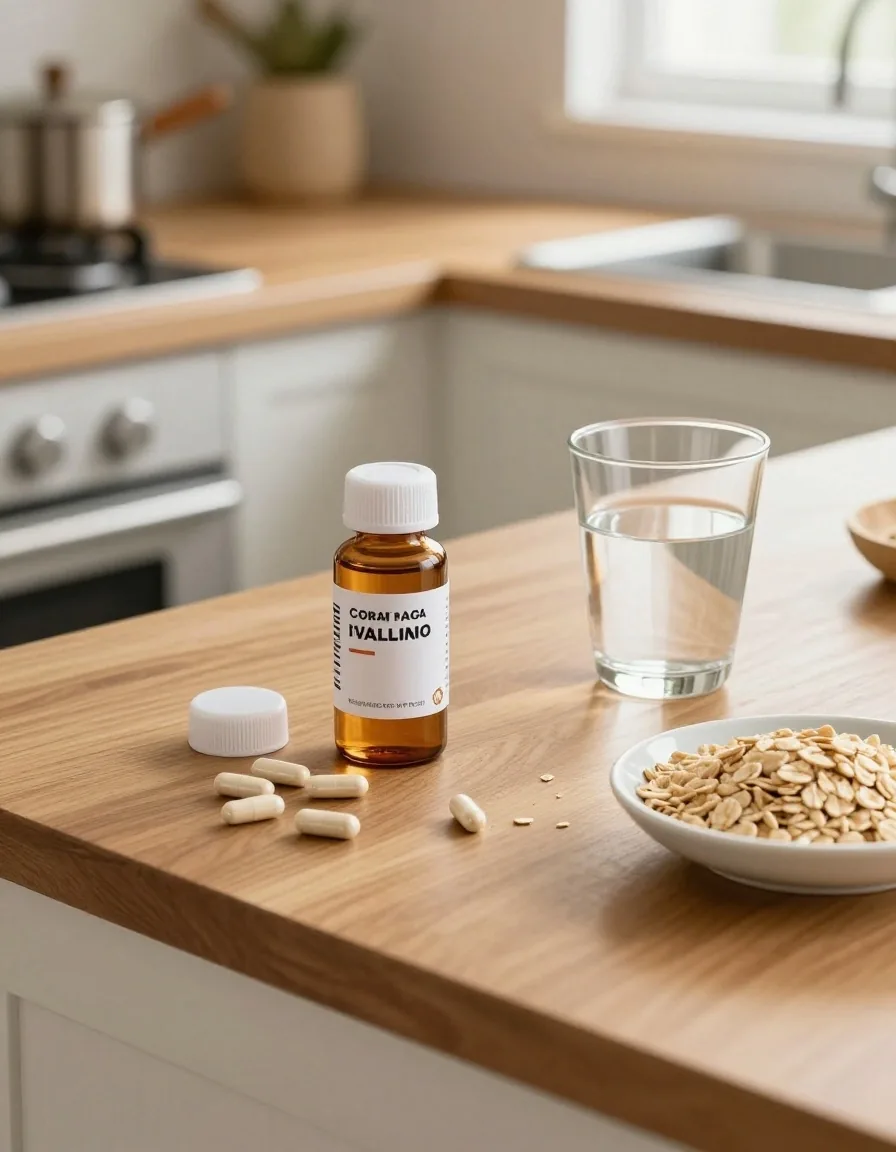
Put the pack where you eat, not in a cupboard. Buy the format you will actually use, which for many people means capsules rather than powder.
Set a repeating reminder for the first month, then drop it once the habit holds. If you travel for work, keep a small pack in your bag. And if you miss a day, take the next one as normal — doubling up is never the answer.
Next chapter
Where this gets personal
Reviews, label reading and the questions we cannot answer for you all follow below. Keep the page open while you go through your own shelf.